
How to Manage Secretions: The Role of Suctioning and Humidification
Key Takeaways
- Airway Maintenance: Mechanical suctioning is a primary secretion clearance technique for patients with a weak cough reflex.
- Thinning Mucus: Proper humidification is required to keep secretions thin enough to be cleared effectively.
- Infection Prevention: Removing excess mucus reduces the risk of pneumonia and other secondary respiratory infections.
- Equipment Care: A functioning portable suction machine and clean suction catheters are the foundation of safe home care.
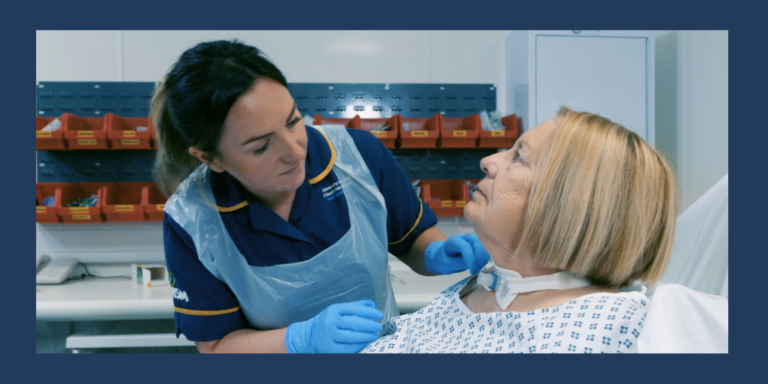
Mastering effective secretion clearance techniques requires a two-part strategy: thinning the mucus and then physically removing it. In a standard respiratory system, moisture keeps mucus moving. However, for those utilizing tracheostomy care, the air entering the lungs is often too dry. By using a heated humidifier or an HME (Heat and Moisture Exchanger), you ensure that secretions remain fluid. This preparation makes the use of a portable suction machine much more efficient and less traumatic for the patient’s airway. Without these combined steps, mucus can harden into “plugs,” which are the leading cause of emergency respiratory complications
Suctioning: A Vital Secretion Clearance Technique
A portable suction machine (aspirator) provides the mechanical force needed to clear secretions that a patient cannot cough up on their own.
- Clinical Indicators: Suction should be performed when you hear “rattling” in the chest, see a drop in oxygen levels, or notice the patient struggling to catch their breath.
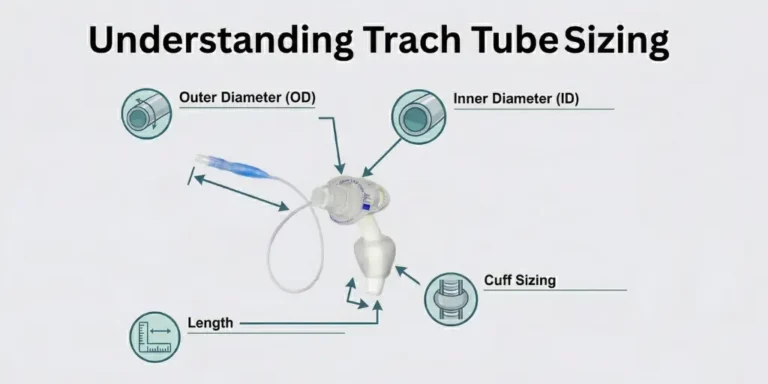
- Suction Catheters: Always ensure the suction catheter is the correct French (Fr) size for the tracheostomy tube to allow for airflow during the procedure.
- Safety Tip: Never suction for longer than 15 seconds at a time. Hyper-oxygenating the patient before and after can help maintain stability.
The Importance of Humidification
Humidification is the “secret weapon” of successful secretion clearance techniques. Without it, suctioning becomes difficult and painful.
- Heated Humidifiers: These are essential for patients on long-term oxygen or ventilators to prevent the airway from drying out.
- Saline Solutions: Using a nebulizer machine with a saline mist can “loosen” thick secretions, making them easier to pull out with a suction machine.
- HME Filters: These “artificial noses” are excellent for mobile patients, as they capture moisture from exhaled air to humidify the next breath.
Read this blog to prepare for Traveling with a Tracheostomy and ensure your supplies are travel-ready
Insurance Coverage for Respiratory Equipment
Navigating respiratory care costs can be complex. Fortunately, Medicare and most private insurance providers cover the core components of these systems.
- Suction Units: Portable suction machines are usually covered as Durable Medical Equipment (DME) when a physician documents the need for airway clearance.
- Monthly Supplies: Most plans provide a recurring allowance for suction catheters, replacement canisters, and sterile water.
- Humidification: While HMEs are often covered, heated humidifiers usually require a specific diagnosis linked to a ventilator or high-flow oxygen use.
FAQ: Clearing Secretions at Home
Q1: What is the best secretion clearance technique for thick mucus?
A: A combination of high-volume humidification (via nebulizer or heated humidifier) followed by gentle suctioning is the gold standard for managing thick secretions.
Q2: Can I use tap water in my humidifier or suction rinse?
A:No. Always use sterile water or distilled water as directed by your tracheostomy care provider to avoid introducing bacteria into the lungs.
Q3: How do I know if the suction machine is working correctly?
A: Check the pressure gauge on your portable suction machine. For adults, it is typically set between 80–120 mmHg. If the pressure is low, check for leaks in the tubing or a loose canister lid.
Q4: Does drinking water help with secretion clearance?
A: Absolutely. Systemic hydration is just as important as external humidification. If a patient is dehydrated, their mucus will naturally become thicker and harder to clear.